
Category: Value add
-
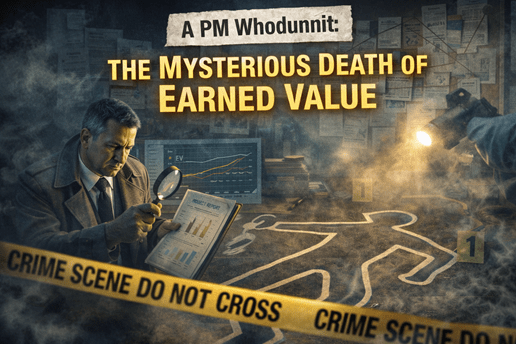
A PM whodunnit: The mysterious death of Earned Value…
The Case Background In the late 1990s and early 2000s, Earned Value Management (EVM) occupied a central place in professional project management. It was taught, standardised, examined, and applied across defence, infrastructure, engineering, and large IT programmes. Earned Value was not a fringe technique; it was a mainstream mechanism for answering the most fundamental project…
-

Heroes of project management 🦸♂️💪🥇
This article hopes to establish project managers throughout history as being vital to the success of the greatest human endeavours, project management best practice is project management best practice after all, whether building pyramids in the desert, or rebuilding a war-ravaged continent and preventing mass starvation.
-

V is for Volunteering
One of the criticisms of modern professional discourse is that there are too many opinions — including this one. Lists abound: “10 things to do.” “10 things not to do.” “10 things you thought were true but aren’t.” It’s endless advice in search of a verb. The only advice that really matters, though, is simple:…
-

Factfulness Part Two – Rules of Thumb
Our first article explored Rosling’s Dramatic Instincts—the biases that lead CIOs and Project Managers to overreact to crises, vendor hype, and boardroom pressure. This article explores the very humans tendency to take a ‘good enough’ approach to problem solving. “Heuristics” is the official name, but it is also known as the ‘Rules of Thumb’. Are…
-

Factfulness Part One – Our Dramatic Instincts
Humans have a tendency to dramatise. Can we as IT professionals — from the CIO to the project manager to the IT technician — overcome these dramatic instincts?
-
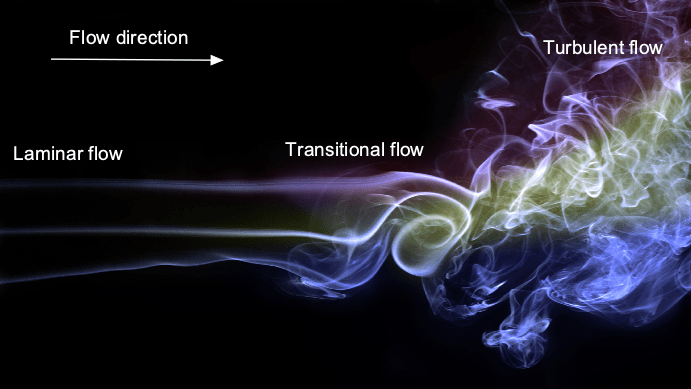
From Firehose to Filter: Effective information flow for CIOs, Portfolio Managers, and everyone else.
This piece borrows from fluid mechanics to give leaders a practical way to keep information laminar: a simple yardstick (IRe) and a few high-leverage moves—batch the message, narrow the audience, set a steady cadence, right-size scope. With three quick examples, we show how to turn a firehose into a controlled flow of information.
-

Want to improve job performance?
“People’s mental wellbeing has been worsening. In the last 10 years, the number of people expressing stress, sadness, anxiety, anger or worry has been on the rise, reaching its highest levels since the Gallup surveys began.” But there is a practical step we can take to reduce the effects of negative stress…. Walk. Or take…
-

Delivering Better Customer Service through Better Project and Program Management
“Customer service” — along with “value-add” or “quality assurance” — is one of those traditional phrases that can remind us of a different era. Whilst the focus on customer service has changed in recent years, it is still needed, and many organisations suffer from a lack of customer service design and understanding.
-

Better vendor management through program management
The Chartered Institute of Procurement & Supply (CIPS) defines vendor management (also known as supplier relationship management) as the process that “involves reviewing the portfolio of suppliers, categorising supply relationships by their significance, devoting resources in proportion to the relationship’s significance and managing processes between the parties torealise the relationship objectives.” Traditionally procurement is a…
-

What program managers can learn from NASA
When people think of NASA, they tend to think of the moon landings and the enormous benefits mankind has received from the side effects of the space But there is another great benefit of NASA that you might not be aware of: better program and project management.
 SquaringTheTriangle