-

Nudge, Nudge, Wink, Wink.
Richard Thaler did ground-breaking work in behavioral economics, which led to his bestselling book Nudge (now sitting on my bookshelf). This tells us how organizations and governments can use new techniques to bring about better outcomes for policy and strategy. But how can Thaler’s insights into economic behavior be related to program and project management?…
-

How great project management leads to a great sales cycle
Sales pursuits are projects before the project itself. Successful bids demand planning, stakeholder management, qualification discipline and cross-functional coordination. Project managers bring rigour, challenge assumptions and create order from complexity, helping organisations pursue the right opportunities and deliver compelling responses.
-
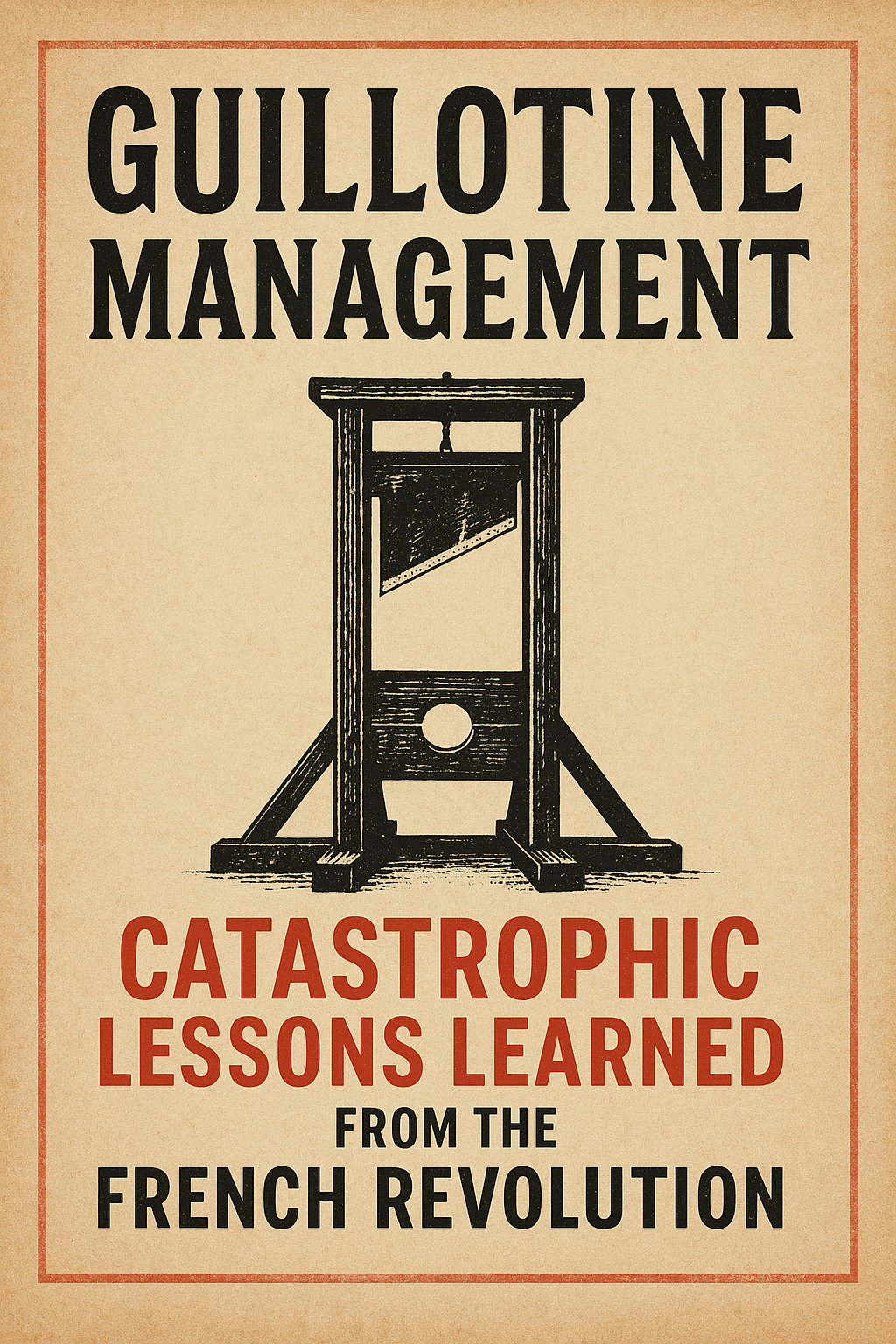
Guillotine Management: Catastrophic Lessons Learned from the French Revolution
The French Revolution is often remembered through dramatic imagery: crowds storming the Bastille, revolutionary tribunals, and the ominous fall of the guillotine. Yet beneath the spectacle lies one of history’s most profound case studies in failed governance, uncontrolled change, and catastrophic decision making.
-

Project managers, are you checking your critical success factors?
We do not lack lists of Critical Success Factors. What we lack is evidence that we are actively managing them. The fundamentals identified more than two decades ago still hold — leadership, capability, alignment, clarity, and execution. But their weighting has shifted. Change management, stakeholder alignment, and data readiness now exert far greater influence on…
-
A PM whodunnit: The mysterious death of Earned Value…
The Case Background In the late 1990s and early 2000s, Earned Value Management (EVM) occupied a central place in professional project management. It was taught, standardised, examined, and applied across defence, infrastructure, engineering, and large IT programmes. Earned Value was not a fringe technique; it was a mainstream mechanism for answering the most fundamental project…
-

Heroes of project management 🦸♂️💪🥇
This article hopes to establish project managers throughout history as being vital to the success of the greatest human endeavours, project management best practice is project management best practice after all, whether building pyramids in the desert, or rebuilding a war-ravaged continent and preventing mass starvation.
-

V is for Volunteering
One of the criticisms of modern professional discourse is that there are too many opinions — including this one. Lists abound: “10 things to do.” “10 things not to do.” “10 things you thought were true but aren’t.” It’s endless advice in search of a verb. The only advice that really matters, though, is simple:…
-

Factfulness Part Two – Rules of Thumb
Our first article explored Rosling’s Dramatic Instincts—the biases that lead CIOs and Project Managers to overreact to crises, vendor hype, and boardroom pressure. This article explores the very humans tendency to take a ‘good enough’ approach to problem solving. “Heuristics” is the official name, but it is also known as the ‘Rules of Thumb’. Are…
-
Factfulness Part One – Our Dramatic Instincts
Humans have a tendency to dramatise. Can we as IT professionals — from the CIO to the project manager to the IT technician — overcome these dramatic instincts?
-
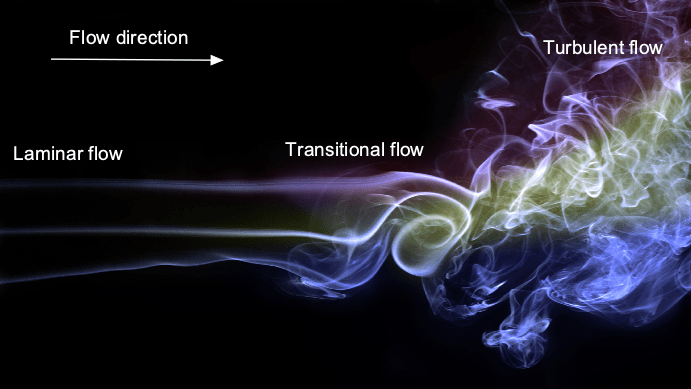
From Firehose to Filter: Effective information flow for CIOs, Portfolio Managers, and everyone else.
This piece borrows from fluid mechanics to give leaders a practical way to keep information laminar: a simple yardstick (IRe) and a few high-leverage moves—batch the message, narrow the audience, set a steady cadence, right-size scope. With three quick examples, we show how to turn a firehose into a controlled flow of information.


